Portable Light
Empower People.
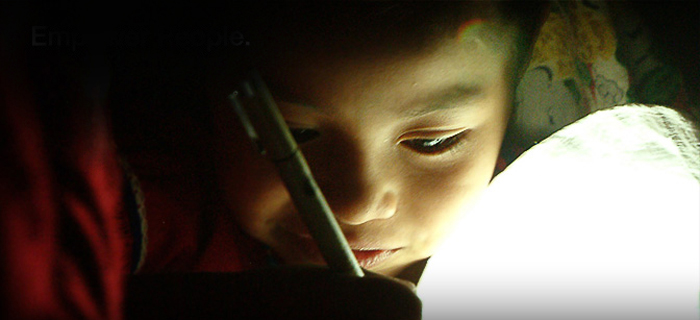
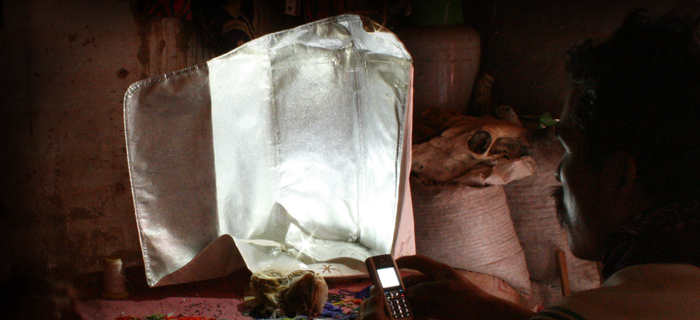
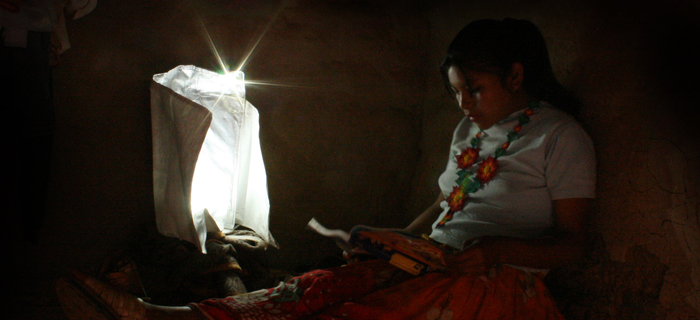
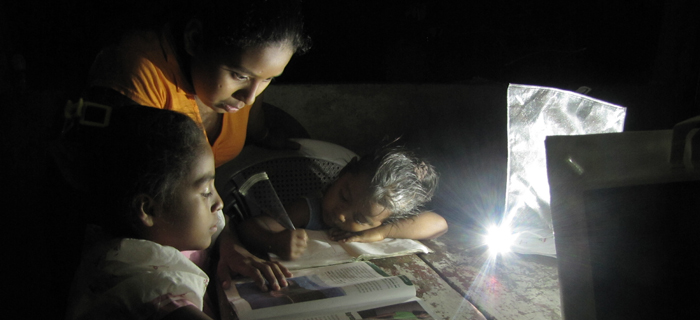
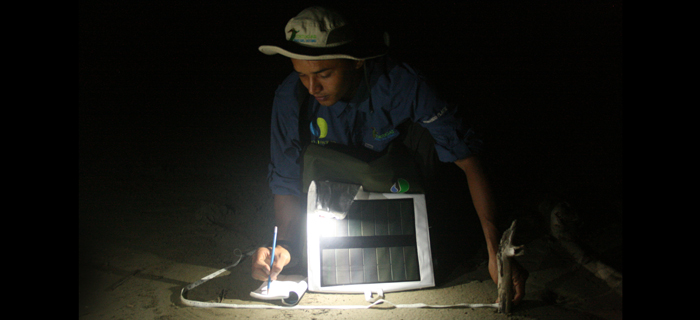
The Portable Light Project enables people in the developing world to create and own energy harvesting textiles, providing the benefits of renewable power as an integral part of everyday life.
Learn More
PopTech launches web home for FLAP
Visit poptech.org/flap to see where FLAP testers are located, read feature stories on the Web, view videos of the bags in use, and much more!
Making Things by the Green Skeptic
Sheila Kennedy is featured in the article 'Jack Donaghy and the Future of Manufacturing in America' by Scott Anderson aka @greenskeptic. Visit the article here.
4W FLAPs to Movirtu, based in South Africa
Nigel Waller, PopTech Social Innovation Fellow and founder of Movirtu, will be taking 4-watt FLAP prototypes to Africa to support his initiative ‘to expand the use of mobile communication by the rural poor communities in Sub-Sahara Africa and South Asia living on less than $2 a day to improve their sustainable livelihoods and help alleviate poverty.’
Local/Global Fabrication
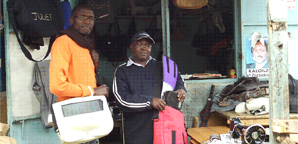
One of the interesting discussions at the FLAP bag launch was how to develop new delivery models for mobile clean energy. Most globally branded soft goods retailers operate with centralized offshore production models. We’re exploring a hybrid approach to manufacturing Portable Light solar textile kits. The flexible photovoltaic materials are produced in Europe at scale, and local business people can order kits and customize the technology using their own skills, inventiveness and locally available materials. Erik Hersman of Ushahidi and his team recently documented this co-creation process with tailors in Ghana and Kenya. We think this is an interesting way to grow locally owned small to mid-size businesses in African cities. These local clean energy businesses could empower people to access renewable light and charge a cell phone, providing connectivity to mobile technologies that are transforming banking, business, education and health care in Africa.

PopTech Day 1 recap at TrackerBlog
At PopTech, the Portable Light team met Janet Ginsburg, writer for the Tracker Blog. We felt that her summary of the first day of the conference has been the best we've seen--check it out here.
Intro to the FLAP: Video by PopTech
PopTech FLAP bag introduction: a collaborative project with Portable Light Project and Timbuk2 from PopTech on Vimeo.
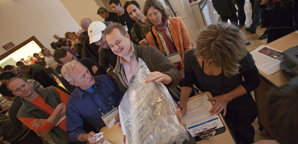
FLAPS sold out before lunch!

After PopTech curator Andrew Zolli made the announcement just before 11am, a flurry of PT'ers descended upon the 3rd flood booth at the Camden Opera House to purchase the much-anticipated FLAP prototype. During the breaks of the morning sessions, the FLAP team met a number of passionate entrpreneurs, NGOs, engineers, and creative innovators who will be taking the 70 prototypes into many corners of the world as field testers.
Photo by Dan Austin for PopTech 2009
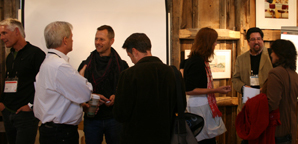
Day One at PopTech
Sheila Kennedy joined FLAP collaborator Kevin McSpadden of Timbuk2 Designs, PopTech 2009 Fellow Emily Pilloton of Project H Design, and innovator John Bielenberg of Project_M at the workshop Design for Social Innovation for a lively panel discussion on the using design to produce effective change across the world, via education, policy making, and a shift in the approach in design process. An energetic kickoff to an amazing assembly of change agents gathered in scenic Camden, ME.
The theme of PopTech 2009 is 'America Reimagined," with live broadcasts available for live stream at their website.
FLAP demo -- to debut at PopTech 2009
FLAP- Project from jonathan laurence on Vimeo.
At the KVA MATx studio in Boston, media artist Jonathan Laurence captures a glimpse of the many positions of the new FLAP (Flexible Light And Power) prototype.
Charles Garcia, Portable Light Project team member since 2005, demonstrates the variations. A designer for the FLAP project, Charles will help debut the latest product at the PopTech 2009 Conference beginning October 21 in Camden, ME. He will also be providing live updates and more from Maine--stay tuned!